
Blog
Copper Skin: How Copper Peptides Transform Skin (And When To Use Them)


What Does “Copper Skin” Mean?
When you search for “copper skin” on beauty sites, you’re typically finding information about skincare products infused with copper peptides—not references to literal metallic or bronze-colored skin.
- The primary cosmetic form is GHK-Cu (glycyl-L-histidyl-L-lysine bound to copper ions), a naturally occurring peptide complex first identified in human plasma during the 1970s.
- GHK-Cu exists naturally in your skin and wound fluid, which led researchers to explore its potential in anti aging creams and serums designed to support skin repair.
- Copper Tripeptide-1 is another common name you’ll see on ingredient lists, referring to essentially the same molecule.
- Worth noting: “copper skin tone” is also a phrase describing medium-deep complexions with warm undertones, but this article focuses specifically on copper as a skincare ingredient.
The beauty industry continues to embrace copper peptides as one of the well studied peptide technologies available today, making them a staple in many modern skincare products.
How Copper Peptides Work In The Skin
Copper peptides are tiny protein fragments—chains of amino acids—tightly bound to copper ions that your skin cells can recognize and utilize. When applied topically, these molecules penetrate the epidermis and interact with the dermis below, where much of your skin’s structural support lives.
At a cellular level, GHK-Cu signals fibroblasts (the cells responsible for producing your skin’s scaffolding) to ramp up collagen production, elastin production, and glycosaminoglycans like hyaluronic acid. This trio of molecules plays a crucial role in maintaining skin elasticity, firmness, and hydration.
Lab and animal studies conducted from the 1980s through the 2000s demonstrated that GHK-Cu:
- Accelerates wound healing by promoting tissue regeneration
- Improves collagen formation and organization within the dermis
- Reduces inflammation through antioxidant activity
- Supports blood vessels and overall skin barrier function
Copper also serves as a cofactor for antioxidant enzymes like superoxide dismutase, which helps neutralize free radicals from UV exposure, pollution, and environmental stress. This enzymatic support explains part of the ingredient’s reputation for calming and protecting the skin.
Here’s where it gets interesting for mature skin: natural GHK-Cu levels in your body decline significantly with age. By your 60s, you may have only about a third of the copper peptide levels you had at 20. Topical application is marketed as a way to replenish this youthful signal molecule, helping your skin cells receive the messages they need to rebuild and repair.
Visible Benefits Of Copper Skin Care
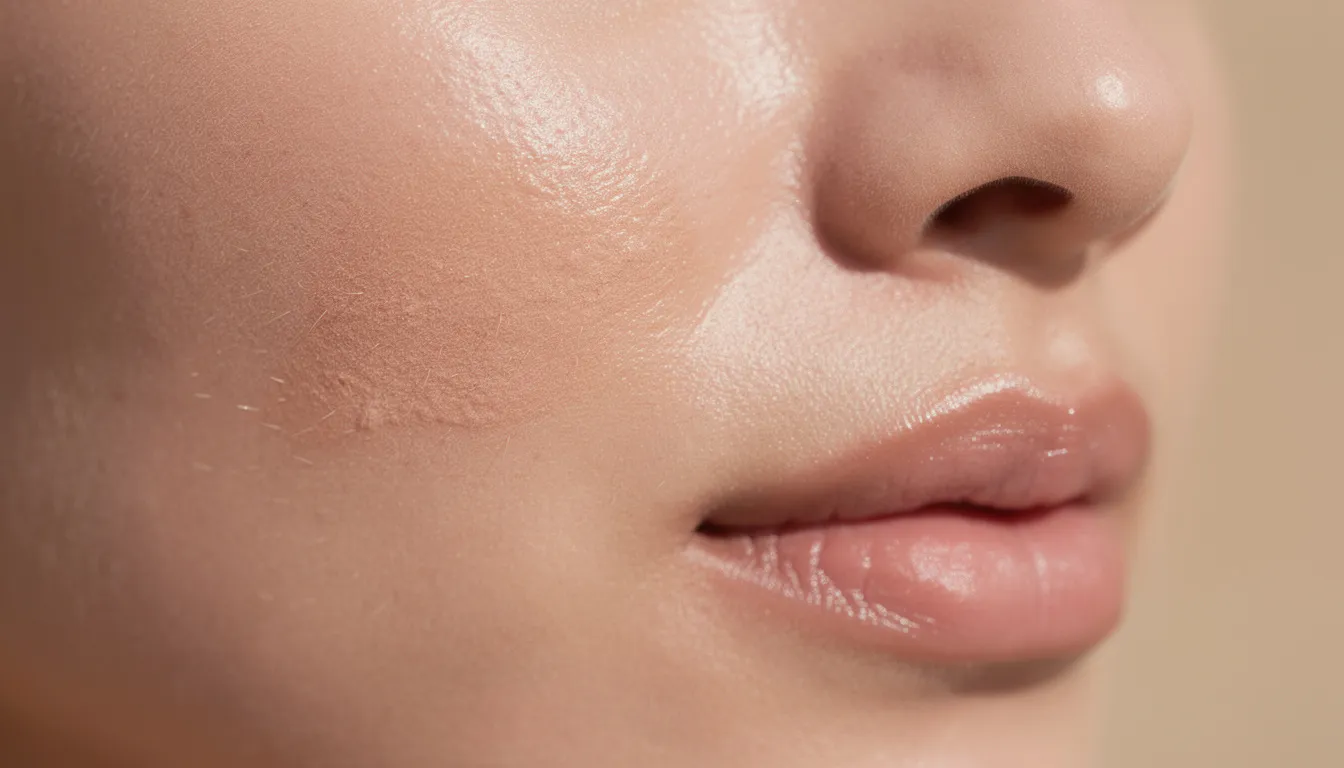
Evidence is strongest for modest anti aging benefits and barrier-support effects, with other claims still under active investigation. That said, consistent users often report noticeable improvements in how their skin looks and feels.
Reduced Fine Lines and Wrinkles
Clinical studies using copper oxide-embedded pillowcases showed statistically significant wrinkle reduction compared to control groups, with improvements in crow’s feet and forehead lines measured via 3D imaging technology. For topical serums, expect to see the appearance of fine lines soften over 8-12 weeks of nightly use as promoting collagen becomes visible in skin texture.
Firmer, Bouncier Texture
Copper peptides support both collagen and elastin—the proteins responsible for firm skin that bounces back when pressed. Users often notice less sagging along the jawline and cheeks, with skin feeling more resilient and less crepey. Studies on diabetic patients using copper-infused socks showed measurable improvements in skin elasticity, suggesting these effects extend beyond facial skin.
Smoother, More Even Skin Tone
Over several months, copper peptides can help even out discoloration and improve radiance. The results are subtler than prescription treatments like hydroquinone, but the gentler approach makes this ingredient suitable for sensitive skin prone to irritation from aggressive brightening agents.
Calmer, Less Reactive Skin
The anti-inflammatory properties of copper peptides help reduce low-grade inflammation that contributes to redness, sensitivity, and barrier dysfunction. For people with rosacea or reactive skin types, this calming effect can make a meaningful difference in daily comfort.
What realistic results look like: A 45-year-old with early signs of fine lines around the eyes and some loss of firmness might expect, after 3 months of consistent use, skin that feels slightly firmer to the touch, looks more hydrated and luminous, and shows softened (though not erased) expression lines. Think of copper peptides as supportive, gentle helpers rather than miracle workers.
Copper Peptides For Hair, Scalp, And “Copper Skin” On The Body
Many copper peptide products are marketed for both face and scalp, with claims about thicker hair and improved density. While the science here is less robust than for facial skin benefits, there are legitimate reasons manufacturers make these connections.
The Hair and Scalp Angle
Copper peptides may support hair follicles through several mechanisms:
Improved blood flow and healthier connective tissue around follicles can create a better environment for hair retention. Some small human and animal studies show thicker hair shafts and an extended growth (anagen) phase with copper peptide application.
However, this data is limited and not as strong as evidence supporting minoxidil for pattern hair loss. Copper peptide scalp serums can be a gentle adjunct to a hair-care regimen, but they shouldn’t be considered a stand-alone treatment for significant thinning.
Copper and Pigmentation
Copper plays a role in melanin production through the enzyme tyrosinase, which helps maintain natural hair and skin pigmentation. Adequate copper supports your body’s normal pigment processes, though topical products are unlikely to dramatically change your color one way or another.
Body Applications
Copper creams are sometimes used on the body—particularly the neck, décolletage, and hands—for crepey or sun-damaged areas. The goals mirror facial use: firmer appearance, smoother skin texture, and reduced visible damage from years of environmental exposure.
How To Use Copper Products In A Skincare Routine
The most common copper skin formats are serums, moisturizers, and eye creams designed for daily use. Choosing the right format depends on your skin type and overall skin care routine.
Ideal Product Types
| Product Type | Best For | Application Tips |
|---|---|---|
| Serums with GHK-Cu | Most skin types, including oily skin | Apply after cleansing, before moisturizer |
| Creams/lotions | Drier or mature skin | Use morning and/or evening as your moisturizing step |
| Eye creams | Fine lines around eyes | Pat gently with ring finger, starting every other night |
| Scalp serums | Hair concerns | Massage into clean, dry or slightly damp scalp without rinsing |
Simple Routine Example
Morning skincare routine: Start with a gentle cleanser, follow with your copper peptide serum (a small amount is sufficient), layer a bland moisturizer, then finish with broad-spectrum SPF 30 or higher. This approach protects your skin while allowing copper peptides to work throughout the day.
Evening skin care routine: Cleanse thoroughly, apply your copper peptide serum or cream (on nights when you’re not using retinoids or strong acids), then follow with additional moisturizer if your skin needs it. Keeping certain ingredients separate prevents potential interactions.
Safety and Frequency Guidance
- Start once daily (evenings) for 2 weeks, then increase to twice daily if your skin tolerates the product well
- Perform a patch test on the inner forearm or behind the ear for 24 hours, checking for redness, itching, or burning before applying to your face
- If you have very sensitive skin, consider diluting your serum with a small amount of moisturizer initially
Ingredient Pairings, Conflicts, And Safety
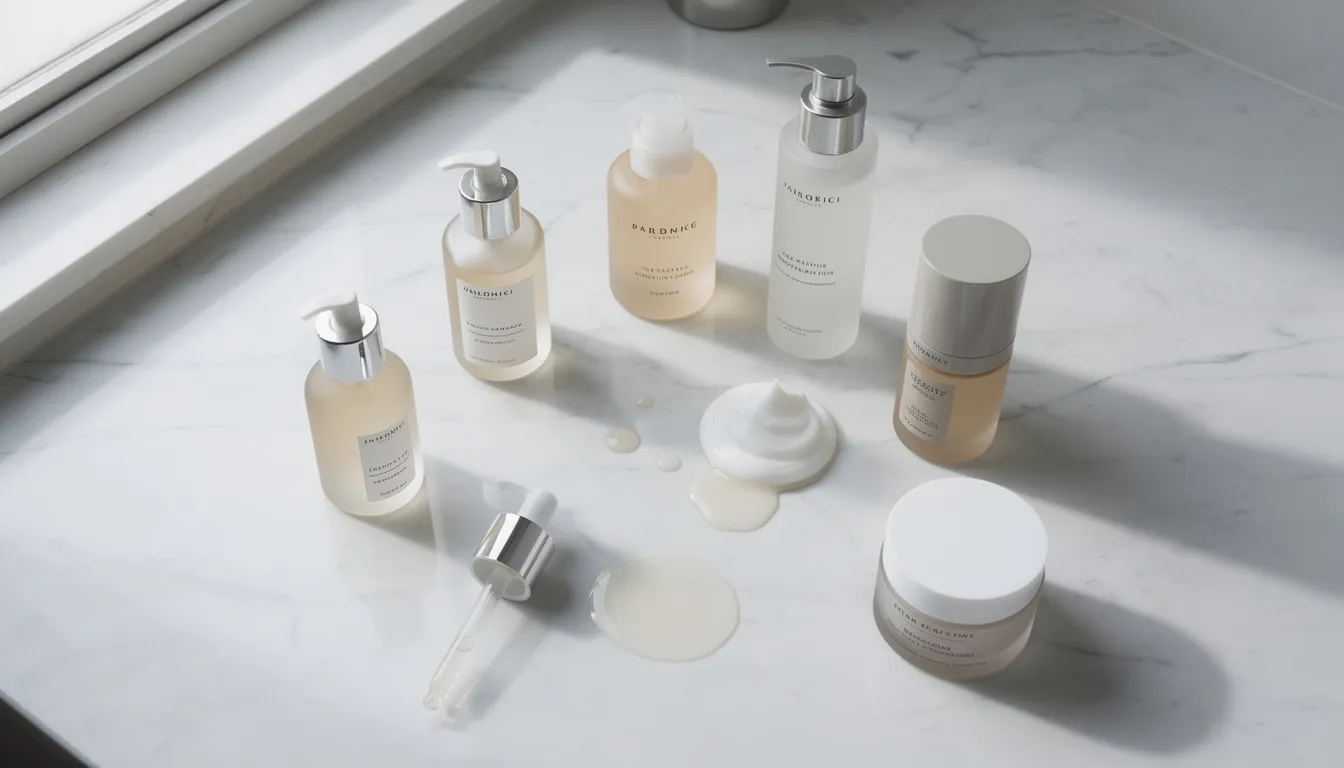
Copper peptides are generally gentle, but they can interact with other strong actives in your routine. Understanding these dynamics helps you maximize benefits while minimizing potential skin irritation.
Recommended Pairings
Hydrating ingredients: Combine copper peptides with hyaluronic acid, sodium hyaluronate, sodium hyaluronate crosspolymer, and glycerin to maximize plumping and comfort. These humectants draw moisture into skin while copper peptides work on structure.
Barrier-supporting ingredients: Layer with ceramides, niacinamide, sodium PCA, sodium lactate, and pentylene glycol for sensitive or redness-prone skin. Ingredients like lactococcus ferment lysate can also support the skin barrier alongside copper peptides.
Texture-supporting ingredients: Look for formulas containing xanthan gum or acacia senegal gum for better product feel, and caprylyl glycol or sodium benzoate as gentle preservatives.
Combinations to Avoid in the Same Routine
Strong vitamin C serums: L-ascorbic acid at higher concentration levels (10-20%) may destabilize copper peptides or compete for absorption. Use vitamin C in the morning and copper peptides at night, or alternate days.
High-strength chemical exfoliants: Glycolic acid, lactic acid, citric acid, and salicylic acid peels used at the same time as copper peptides can increase irritation risk. Ferulic acid in lower concentrations is generally fine but watch for sensitivity.
Strong retinoids: Prescription tretinoin or high-strength retinol used simultaneously may lead to excessive irritation. Alternate nights instead—retinoids on Monday/Wednesday/Friday, copper peptides on Tuesday/Thursday/Saturday.
Safety Considerations
Topical copper from reputable cosmetic products is used at very low, carefully controlled levels. The skincare industry formulates these products to release copper ions gradually without overwhelming skin. Copper toxicity from normal topical use is extremely rare.
Important cautions:
- Avoid copper peptide skincare if you have known copper metabolism disorders (such as Wilson’s disease) unless cleared by your physician
- Sodium hydroxide may appear in some formulations to adjust pH—this is standard and safe at cosmetic levels
- Stop use and consult a dermatologist if persistent burning, rash, or worsening pigmentation occurs
- Some formulas contain aspartic acid or other amino acids that work synergistically with copper
For most people, copper peptide products are as safe as any well-formulated skincare product. The ingredient’s long history in wound dressings and medical devices speaks to its general tolerability.
Who Is Copper Skin Care Best For?
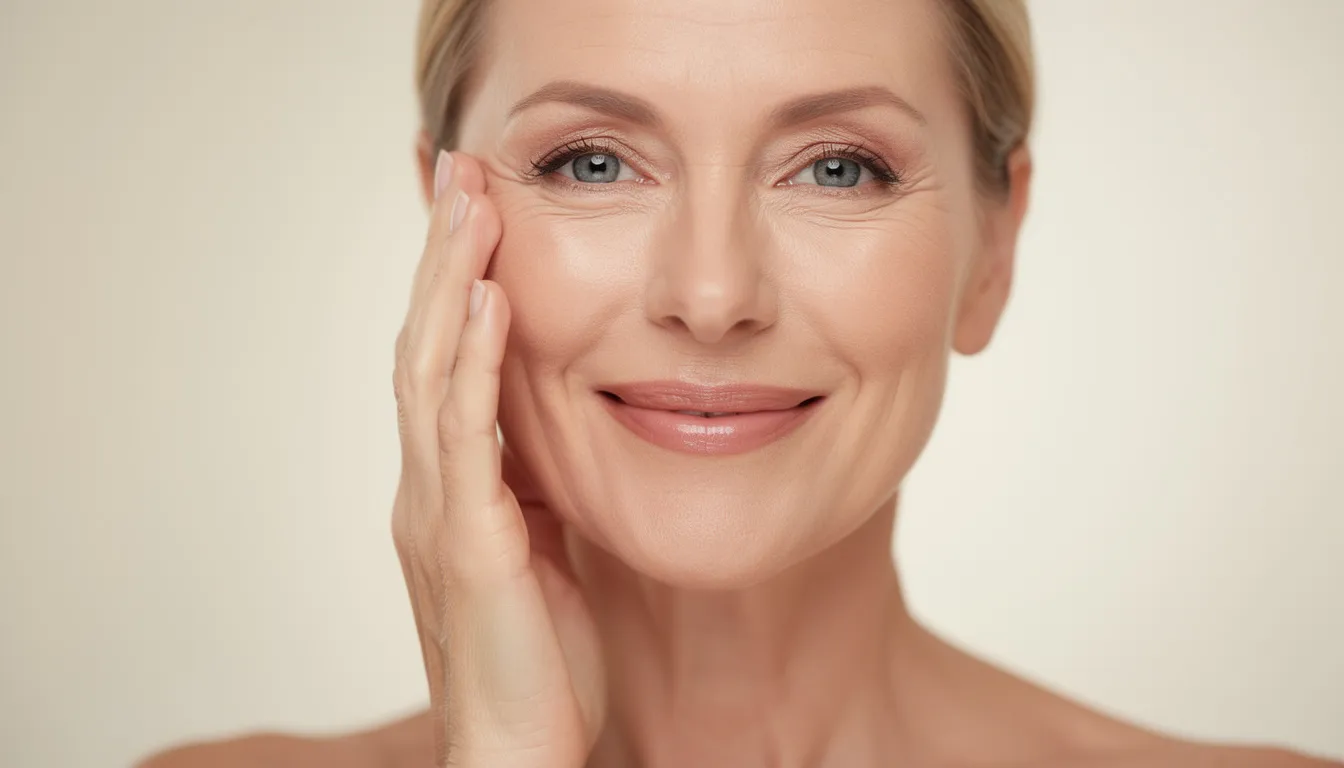
Copper peptide products are especially valuable for people who cannot tolerate aggressive actives but still want meaningful anti aging support. They target multiple signs of aging without the adjustment period or potential inflammation associated with stronger ingredients.
Ideal Candidates
- Individuals in their late 20s through 50s noticing early fine lines, mild loss of firmness, or dullness who want to address multiple signs of aging gently
- People with sensitive skin or barrier-impaired skin that reacts poorly to standard retinoids, strong antioxidants, or direct acids
- Those with redness-prone skin types who need calming ingredients alongside anti aging properties
- Post-procedure patients (after clearance from their doctor) looking for gentle support during healing—studies show copper peptides support wound healing and tissue repair
- Anyone interested in well being-focused skincare that works with the body’s natural processes
Who Should Be Cautious
- Those already using strong prescription retinoids, multiple exfoliants, or high-strength vitamin formulations may need to simplify their routines or alternate nights to avoid overloading skin
- Anyone pregnant or breastfeeding should check with their healthcare provider—not because copper peptides are known to be harmful, but because limited data exists for this population
A Balanced Perspective
Treat copper peptides as a supportive, “nice to have” ingredient rather than a must-have core step. They work well for reducing wrinkles and improving appearance over time, but they won’t replace sunscreen, gentle cleansing, or basic hydration as foundational elements.
If you’re dealing with melasma, persistent acne, or medical hair loss, consult a board-certified dermatologist for personalized routines. Copper peptides can complement professional treatment but shouldn’t be your primary intervention for serious concerns.
Many brands offer products with a cancel anytime subscription model, making it easy to try copper peptides for a few months and assess results before committing long-term.
FAQ About Copper Skin And Copper Peptides
Q1: Can copper peptide products actually change my natural skin color to a “copper” tone?
No, topical copper peptides do not tan or bronze the skin. They may slightly even out discoloration and improve radiance, but they will not change your underlying skin tone. Any “copper glow” marketing language refers to healthier, more luminous skin—not a different color. The inflammation-reducing and collagen-boosting effects create a more vibrant appearance, but your natural pigmentation remains unchanged.
Q2: How long does it take to see results from copper peptide skincare?
Mild improvements in hydration and skin texture may appear within 2-4 weeks as the skin barrier strengthens. Firmer feel and reduced fine lines and wrinkles typically require at least 8-12 weeks of consistent daily use. Visible change is gradual and subtle compared to more aggressive actives like retinoids. Randomized controlled trials on copper-infused textiles showed measurable results over similar timeframes, supporting these expectations.
Q3: Can I use copper peptide products around my eyes?
Yes, many eye creams are specifically formulated with low doses of copper peptides for the delicate peri-orbital area. Choose products explicitly labeled for eye use, start every other night, and stop if stinging or swelling appears. The thinner skin around eyes can be more reactive, so a gentler introduction helps ensure good tolerance.
Q4: Are copper supplements better than copper peptide creams for skin?
Most skin benefits discussed in cosmetic research come from topical application directly to the skin, where copper peptides can interact with fibroblasts and support local collagen formation. Oral copper supplements should only be taken under medical supervision for documented deficiency, as excess internal copper can be harmful to your body and won’t specifically target facial skin. Topical delivery is both safer and more targeted for cosmetic goals.
Q5: Do copper peptides interfere with metal-based medical devices or screenings?
The trace amounts of copper in skincare products are far too small to affect metal detectors, MRI scans, or implanted devices. After absorption, this copper is metabolized like any other trace mineral in your body and does not accumulate in ways that would trigger security systems or imaging problems. You can safely use copper peptide products before any medical procedures or travel.