
Blog
Peptide Calculator: Dosage, Molecular Properties & Practical Use


What Is a Peptide Calculator?
A peptide calculator is a digital tool designed to perform specialized calculations for peptides, whether you need to determine the correct injection volume for a reconstituted vial or analyze the physicochemical properties of a custom amino acid sequence in a research context.
These calculators fall into two main categories. The first type focuses on dosage and reconstitution, helping users convert milligrams of lyophilized peptide, solvent volume in milliliters, and desired dose in micrograms into the exact amount to draw into a syringe. The second type serves scientists by computing molecular weight, net charge at specific pH levels, isoelectric point, and hydrophobicity indexes from a peptide sequence input.
Typical users span a wide range: clinicians prescribing peptide therapy for metabolic conditions, patients managing their own injection schedules under medical supervision, fitness enthusiasts exploring peptide hormones for muscle growth or weight loss, and scientists in biochemistry or pharmacology labs synthesizing custom molecules for research.
The primary value of any calculator lies in reducing manual math errors. Unit conversions between mcg, mg, ml, and IU can quickly become confusing, especially when protocols vary by body weight or when pH-dependent charge calculations require applying the Henderson-Hasselbalch equation across multiple ionizable groups.
The sections that follow will first address dosage and reconstitution use cases relevant to anyone handling injectable peptides, then shift to lab-focused peptide property calculations used in synthesis planning and experimental design.
Peptide Dosage Calculator: Core Functions
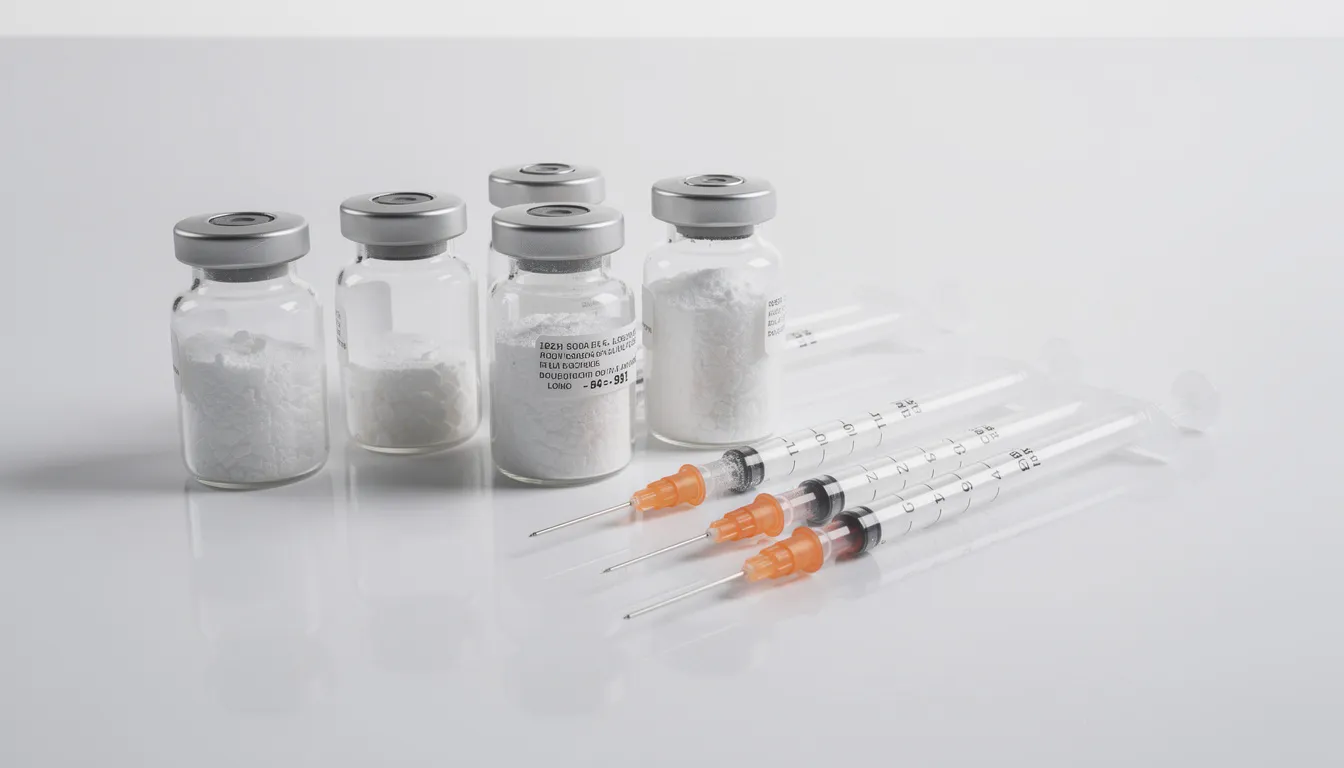
Dosage calculators are commonly used for small vials containing lyophilized peptides such as GLP-1 analogs, BPC-157, TB-500, or various growth hormone-releasing peptide variants. These tools transform what would otherwise be tedious arithmetic into instant, reliable outputs.
A typical dosage calculator takes three key inputs:
| Input | Example Value | Purpose |
|---|---|---|
| Peptide amount per vial | 5 mg | Total peptide content from manufacturer label |
| Solvent volume | 2 ml bacteriostatic water | Amount of bac water used to reconstitute |
| Desired dose | 300 mcg | Target peptide dose per injection |
From these inputs, the calculator produces several outputs:
- Concentration: The resulting peptide solution strength (e.g., 2.5 mg/ml or 2,500 mcg/ml)
- Dose volume: The exact volume to inject (e.g., 0.12 ml for a 300 mcg dose)
- Insulin syringe units: Conversion to syringe markings (e.g., 12 units on a 100-unit insulin syringe)
- Total doses per vial: How many injections the vial will provide at the specified dose
This approach eliminates multi-step mental math, which becomes especially error-prone when the dosage depends on body weight (mcg/kg or mcg/lb) and must be recalculated for different individuals or changing protocols.
Responsible calculators also display a medical disclaimer and warn against self-prescribing peptides without clinical supervision. The tool performs arithmetic—it cannot assess whether a peptide is appropriate for your health situation.
How to Use a Peptide Dosage Calculator Step by Step
Using a peptide dosage calculator follows a logical sequence that mirrors the actual process of preparing and administering an injection.
The first step is entering the vial content. Check the manufacturer label for the total peptide amount per vial, typically expressed in milligrams. Common quantities include 5 mg or 10 mg vials, with production batches from recent years often displaying lot numbers and expiration dates that should be recorded for your logs.
Next, enter the amount of bacteriostatic water you plan to use for reconstitution. This might be 1 ml, 2 ml, or 3 ml depending on your preference and the concentration you want to achieve. The more solvent you add, the lower the final concentration—which can make measuring smaller doses easier but means drawing larger volumes per injection.
If your protocol is weight-based, the third step involves entering your body weight in kilograms or pounds and selecting the appropriate dosage in mcg/kg. For example, some BPC-157 protocols call for 3-4 mcg/kg daily, while certain growth hormone-releasing peptides might use 1.5 mcg/kg.
The fourth step is automatic: the calculator computes your daily dose in micrograms, the concentration in mcg/ml, and the volume required per injection in both milliliters and insulin syringe units. Most peptides can be dosed using standard 0.5 ml or 1 ml insulin syringes calibrated in 50 or 100 units respectively.
Finally, the calculator can estimate how many days a single vial will last at your current dose and how much total peptide you need for a complete cycle. An 8-12 week protocol, for instance, might require multiple vials, and knowing this upfront helps with planning and budgeting.
| Output | Per Injection | Per Day | Per Vial (5 mg) |
|---|---|---|---|
| Dose | 300 mcg | 300 mcg | 5,000 mcg total |
| Volume | 0.12 ml | 0.12 ml | — |
| Syringe units | 12 units | 12 units | — |
| Duration | — | — | ~16 days |
Peptide Reconstitution: Syringes, Solvents and Practical Steps
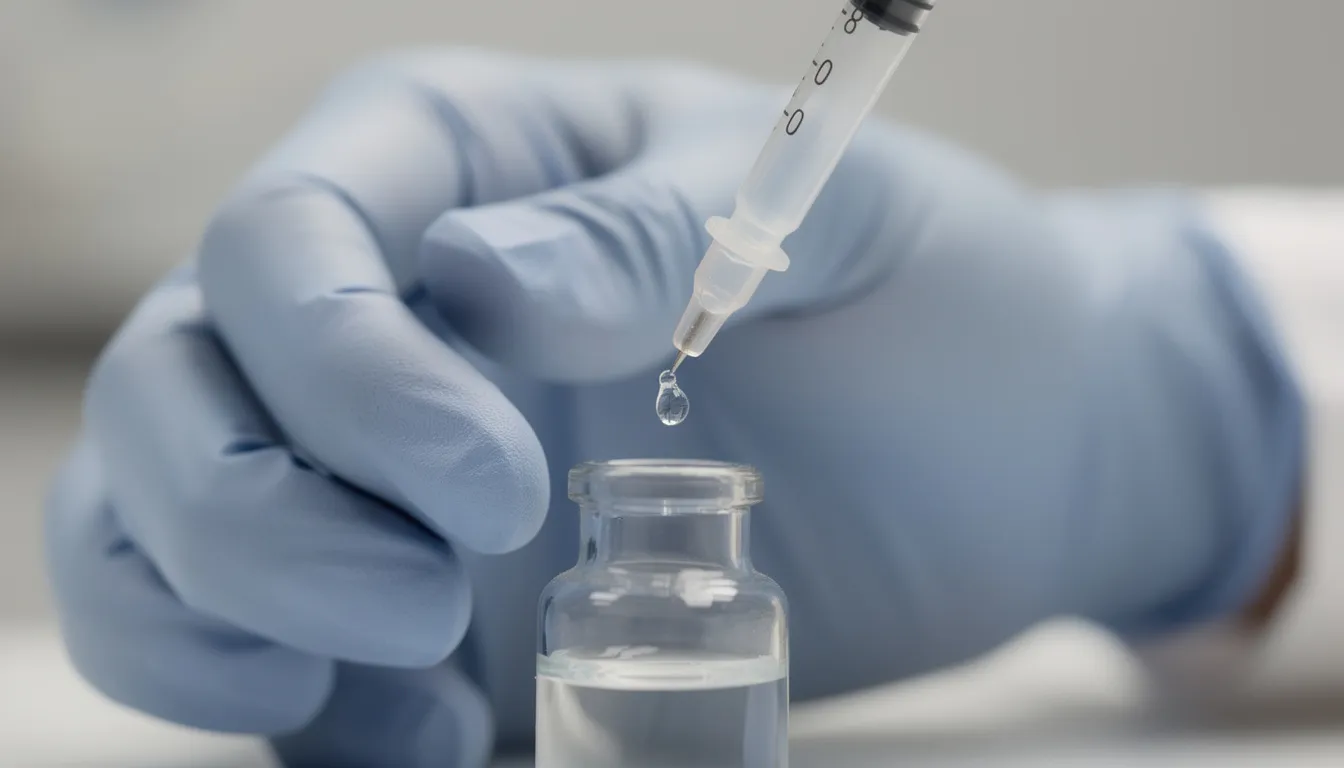
Most research and therapeutic peptides arrive as a freeze-dried powder in small vials, typically containing 3-10 mg of peptide content. Before injection, you must reconstitute lyophilized peptides by adding an appropriate solvent to create a stable peptide solution.
The most common solvents include:
- Bacteriostatic water (BAC water): Sterile water containing 0.9% benzyl alcohol as a preservative, allowing multiple withdrawals over days or weeks
- Sterile water for injection: No preservatives, best for single-use or sensitive peptides
- Sodium chloride 0.9%: Isotonic saline, sometimes preferred for specific peptide formulations
The syringe volume you choose affects measurement precision. A 1 ml insulin syringe calibrated in 100 units allows measurement down to 0.01 ml per unit, while a 0.5 ml syringe with 50 units offers the same precision but limits total volume per draw.
A good peptide reconstitution calculator lets you specify your syringe size, mapping milliliters directly to units. This prevents confusion when comparing protocols that might describe doses in ml versus units.
The physical reconstitution process follows these practical steps:
- Swab both the vial stopper and the solvent container with alcohol
- Draw the chosen bac water volume into the syringe
- Insert the needle through the vial stopper and slowly inject the solvent, aiming the stream at the vial wall rather than directly onto the powder
- Gently swirl the vial until the powder dissolves completely—never shake vigorously, as this can denature the peptide
- Check for clarity; cloudiness or particles may indicate degradation
- Store the reconstituted vial according to manufacturer instructions, commonly at 2-8°C (refrigerated)
Discard any vial past its expiration date or if the solution develops turbidity or discoloration.
Weight-Based Peptide Dosing: Examples and Safety
Weight-based dosing adds complexity that makes a dosage calculator particularly valuable. Rather than working through multiplication and unit conversions manually, you input your parameters and receive precise outputs.
Consider a BPC-157 protocol calling for 4 mcg/kg daily. For a person weighing 75 kg, the calculation is straightforward: 75 × 4 = 300 mcg per day. If you reconstituted a 5 mg vial with 2 ml of bacteriostatic water, your concentration is 2,500 mcg/ml. To achieve your desired dose of 300 mcg, you need 0.12 ml, which equals 12 units on a standard 100-unit insulin syringe.
GLP-1–type peptides used in weight loss protocols often follow different logic. Rather than mcg/kg dosing, these peptides commonly use fixed escalation schedules—starting at 0.25 mg weekly and gradually increasing to 1.0 mg or higher over several weeks. The calculator can track these stepped protocols and determine the appropriate volume at each stage.
Many calculators allow you to store or pre-load common therapeutic ranges, but this convenience should never override prescriber instructions from an endocrinologist, internist, or sports physician who has evaluated your complete health picture.
Basic safety principles apply across all peptide therapy:
- Titrate slowly to minimize side effects like nausea, dizziness, or injection site reactions
- Monitor your body’s response and document any adverse effects
- Never combine multiple hormone-active peptides without professional guidance
- Recognize that peptides steroids and other performance compounds require careful supervision
For patients on polypharmacy—perhaps taking metformin for type 2 diabetes, antihypertensives, or statins—any new peptide regimen must be evaluated for potential interactions by a clinician who can review the full medication list.
Scientific Peptide Calculator: Molecular Properties
In research laboratories, “peptide calculator” typically refers to sequence-based tools that analyze physicochemical properties of custom-synthesized molecules. These calculators serve scientists working in peptide synthesis companies, academic proteomics groups, and pharmaceutical development programs.
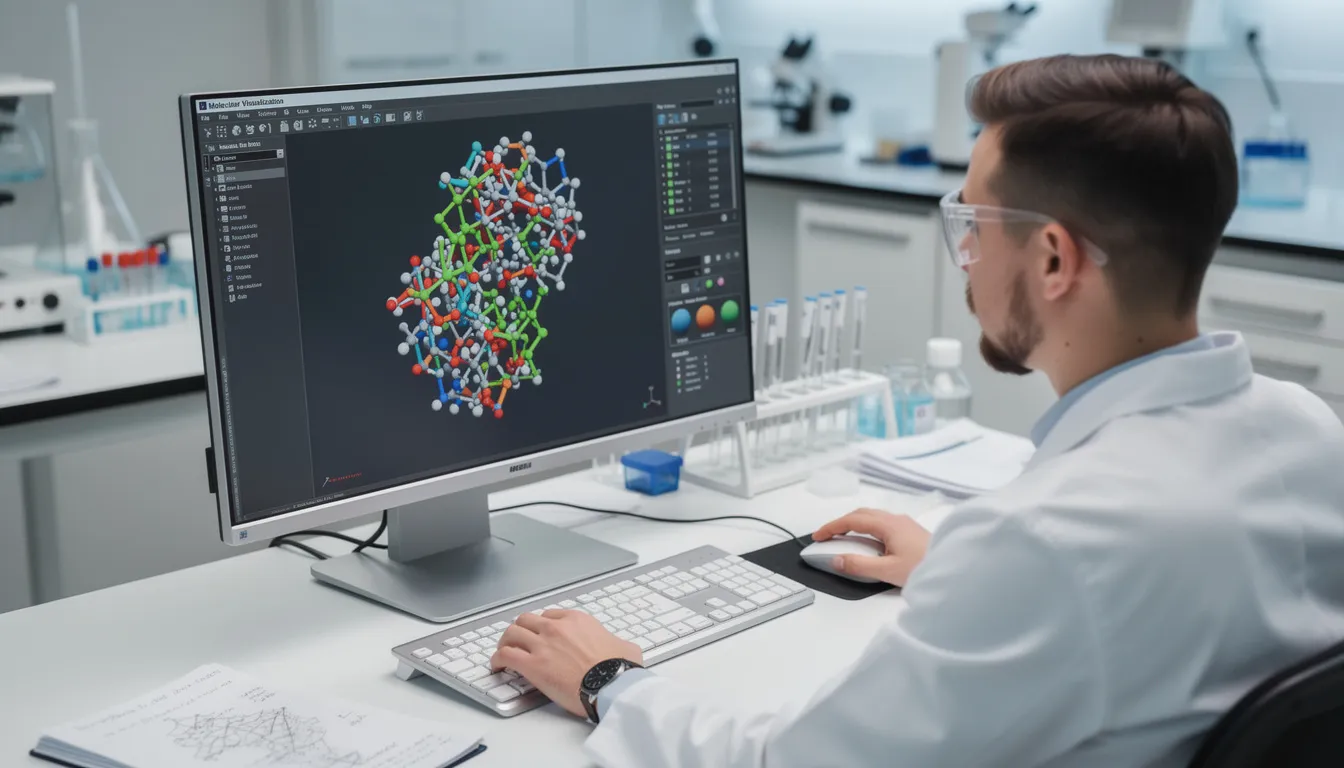
Users input a sequence using single-letter codes (e.g., “HGHGHLG”) or three-letter codes (e.g., “His-Gly-His-Gly-His-Leu-Gly”), and the calculator parses the sequence automatically to generate property estimates.
Key outputs from molecular peptide calculators include:
| Property | Description | Typical Use |
|---|---|---|
| Molecular weight | Sum of residue masses plus terminal groups | Stock solution preparation, mass spectrometry |
| Net charge at pH X | Calculated charge at physiological or buffer pH | Solubility prediction, binding studies |
| Isoelectric point (pI) | pH where net charge equals zero | Buffer selection, electrophoresis |
| Hydrophobicity index | Measure of overall hydrophobic character | Aggregation risk, membrane interaction |
| Hydrophilicity ratio | Percentage of hydrophilic residues | Surface exposure, epitope design |
Advanced calculators also support non-standard amino acids and modifications, with some databases covering over 120 building blocks beyond the canonical 20 residues.
These predictions guide experimental design—helping researchers select appropriate buffer pH, ionic strength, and chromatography methods before committing resources to synthesis and purification. However, calculated values must always be validated through actual laboratory measurements.
How to Calculate Peptide Molecular Weight
Molecular weight calculation forms the foundation of many peptide-related analyses. The total molecular weight equals the sum of all amino acid residue masses plus contributions from the N-terminal and C-terminal groups, along with any chemical modifications.
Each amino acid residue contributes its mass minus one water molecule (which is lost during peptide bond formation). Standard amino acids range from approximately 57 Da for glycine to 186 Da for tryptophan. The N-terminus adds roughly 1 Da (a hydrogen), while the C-terminus adds approximately 17 Da (an OH group), though these vary with modifications.
For a concrete example, consider a short 7-mer peptide with the sequence “ACDEFGH”:
- Alanine (A): ~71 Da
- Cysteine (C): ~103 Da
- Aspartic acid (D): ~115 Da
- Glutamic acid (E): ~129 Da
- Phenylalanine (F): ~147 Da
- Glycine (G): ~57 Da
- Histidine (H): ~137 Da
Summing these residue masses and adding the terminal contributions (approximately 18 Da for water) yields the total molecular weight. The peptide calculator automates this process, applying the formula M = Σ(Mi × Ni) + Mn + Mc, where Mi represents each residue mass, Ni its count, and Mn/Mc the terminal contributions.
Calculators typically use average isotopic masses expressed in Daltons and can adjust for common modifications like N-terminal acetylation (adds ~42 Da) or C-terminal amidation (replaces OH with NH2, reducing mass by ~1 Da).
Accurate molecular weight values are crucial for preparing stock solutions at defined molar concentrations (e.g., 1 mM or 100 μM) and for developing mass spectrometry methods where observed m/z values must match theoretical predictions.
Net Charge and Isoelectric Point (pI) with a Peptide Calculator
Peptides carry different net charges depending on the pH of their environment because ionizable side chains and terminal groups gain or lose protons at different pH values. Understanding this behavior helps predict solubility, binding properties, and behavior during separation techniques.
Calculators apply the Henderson-Hasselbalch equation using established pKa values from authoritative sources. For a given pH, the net charge Z can be estimated as:
Z = Σ Ni/(1 + 10^(pKai – pH)) − Σ Nj/(1 + 10^(pH – pKaj))
Here, positively charged groups (like lysine, arginine, histidine, and the N-terminus) contribute positive charge, while negatively charged groups (aspartic acid, glutamic acid, cysteine, tyrosine, and the C-terminus) contribute negative charge.
Consider a peptide containing four lysine residues and two glutamate residues. At physiological pH 7.4:
- Each lysine (pKa ~10.5) remains mostly protonated, contributing approximately +1 charge each
- Each glutamate (pKa ~4.1) is fully deprotonated, contributing approximately −1 charge each
- Net result: roughly +4 from lysines and −2 from glutamates, giving a net charge near +2
The isoelectric point (pI) is the pH where net charge equals zero. Modern calculators can estimate pI with precision of approximately ±0.01 pH units, though unusual modifications or strong structural constraints may reduce accuracy.
Practical applications include:
- Choosing buffer pH for optimal solubility (peptides are least soluble near their pI)
- Optimizing electrophoresis separation based on charge differences
- Designing peptides with specific electrostatic properties for target binding
Hydrophobicity, Hydrophilicity and Peptide Purity Analysis
Hydrophobicity and hydrophilicity strongly influence peptide folding, aggregation tendency, solubility in aqueous versus organic solvents, and behavior in chromatographic systems. Many calculators rely on established hydropathy scales—such as the Hopp & Woods data—to estimate these properties from sequence alone.
A hydropathy plot displays hydrophobicity or hydrophilicity values for each residue position, highlighting regions that might be aggregation-prone (hydrophobic stretches) or surface-exposed (hydrophilic regions). For peptides longer than 10 residues, some tools identify β-strand contiguity profiles that flag synthesis challenges associated with amyloid-like sequences.
The percentage of hydrophilic residues provides a quick summary metric. A peptide with 60% hydrophilic residues will generally show better aqueous solubility than one with only 30%.
An important distinction exists between purity and peptide content:
| Term | Definition | Determination Method |
|---|---|---|
| Purity | Percentage of desired peptide versus structural impurities | HPLC analysis |
| Content | Percentage of actual peptide mass versus salts, counter-ions, moisture | Amino acid analysis or other assays |
Two peptide lots might both show 95% purity by HPLC but have different content values—perhaps 70% versus 85%. This difference significantly affects concentration calculations when preparing stock solutions. If you weigh out 1 mg of a peptide with 70% content, you actually have only 0.7 mg of peptide. Calculators help users adjust for this discrepancy, a feature increasingly important in 2024 laboratory workflows where precise quantification drives experimental reproducibility.
Using a Peptide Calculator to Plan Experiments and Therapy Cycles
Whether you work in a research lab or manage a peptide therapy protocol under clinical supervision, calculators serve as planning tools that extend beyond single-dose arithmetic.
Researchers can use molecular calculators to determine appropriate buffer pH and ionic strength before committing to chromatography runs or in vitro assays. If your peptide has a pI of 8.5, running separations at pH 7.0 means it carries a positive net charge—information that guides column chemistry selection and elution conditions.

For therapeutic applications, clinicians or coaches may use dosage calculators to map an entire 8-12 week cycle:
- Total milligrams of peptide required across all vials
- Number of vials to purchase based on per-vial quantity
- Reconstitution schedule (when to prepare each vial)
- Daily or weekly injection volumes
Maintaining a detailed log strengthens both research and therapy outcomes. Record:
- Date of reconstitution and batch or lot number
- Concentration prepared (mcg/ml or mg/ml)
- Dose administered and injection site
- Any side effects, assay outcomes, or observations
While calculators streamline workflows, they should complement—not replace—verification. For high-stakes situations like human therapy or expensive experiments, manually confirm outputs or have a colleague cross-check your calculations.
Limitations and Safety Considerations
Peptide calculators are tools, not substitutes for clinical judgment, regulatory guidance, or validated laboratory protocols. Understanding their limitations helps you use them appropriately.
Dosage calculators assume ideal conditions:
- Correct labeling on the vial (accurate peptide amount stated)
- No degradation during shipping or storage
- Accurate syringe calibration
- Proper reconstitution technique
The calculator cannot detect counterfeit or substandard products, which remain a significant concern in the online peptide marketplace. If the vial contains 3 mg instead of the labeled 5 mg, your calculated dose will be wrong regardless of the calculator’s precision.
Molecular property calculators rely on approximations and standardized pKa scales derived from isolated amino acids. Local structural effects, unusual modifications, or metal coordination can shift actual values away from predictions. Experimental validation through techniques like mass spectrometry, capillary electrophoresis, or chromatographic retention time comparison remains essential.
Unsupervised use of performance or cosmetic peptides carries significant legal and health risks. Regulatory frameworks have tightened in many regions since 2020, and purchasing peptides online for self-administration may violate local laws even before considering health risks.
Before acting on any calculator output involving human or animal subjects, consult licensed healthcare providers for therapy or qualified lab supervisors for research applications. The tools exist to support informed decisions—not to enable uninformed ones.
FAQ about Peptide Calculators
Q1: Can I rely on a peptide dosage calculator to self-prescribe peptides for weight loss?
No. A dosage calculator performs arithmetic based on the values you enter; it does not assess whether a peptide is medically appropriate, safe, or legal for your situation. Weight-loss peptides such as GLP-1 analogs require individualized assessment of cardiovascular risk, existing medications, and laboratory results by a licensed clinician. The calculator cannot evaluate your health history or monitor for adverse effects.
Q2: How accurate are molecular weight and pI values from online peptide calculators?
For standard amino acids and common terminal modifications, modern calculators typically achieve molecular weight accuracy within a fraction of a Dalton and pI estimates within ±0.01-0.05 pH units. However, unusual modifications, metal coordination, disulfide bonds, or strong structural constraints can reduce prediction accuracy. These values should be confirmed experimentally through mass spectrometry or isoelectric focusing when precise data matters for your research.
Q3: Do I need a different calculator for peptide blends containing multiple active ingredients?
Many dosage calculators include an “advanced” or “blend” mode that lets you enter more than one peptide per vial, each with its own target dose. If your tool lacks this feature, calculate each peptide separately, ensuring that total volume per injection remains practical and within your syringe capacity. Complex blends still require professional guidance to assess potential interactions between molecules.
Q4: Can peptide calculators handle post-translational modifications like phosphorylation or glycosylation?
Some research-grade calculators allow you to specify common modifications such as phosphorylation, acetylation, amidation, or biotinylation, adjusting molecular weight and charge estimates accordingly. More complex modifications like heterogeneous glycosylation may require specialized software or manual adjustment based on analytical data. Always verify that your calculator’s modification database matches the specific chemistry of your peptide.
Q5: How often should I re-check my calculations when running a long peptide therapy cycle?
Re-verify calculations whenever you change vial size, brand, concentration, syringe type, or dose schedule, and at minimum when opening each new vial batch. For multi-month protocols spanning 12 weeks or longer, reviewing dosing with your healthcare provider at scheduled follow-up visits helps catch arithmetic or adherence errors before they compound. Keeping a written log makes these reviews faster and more reliable.