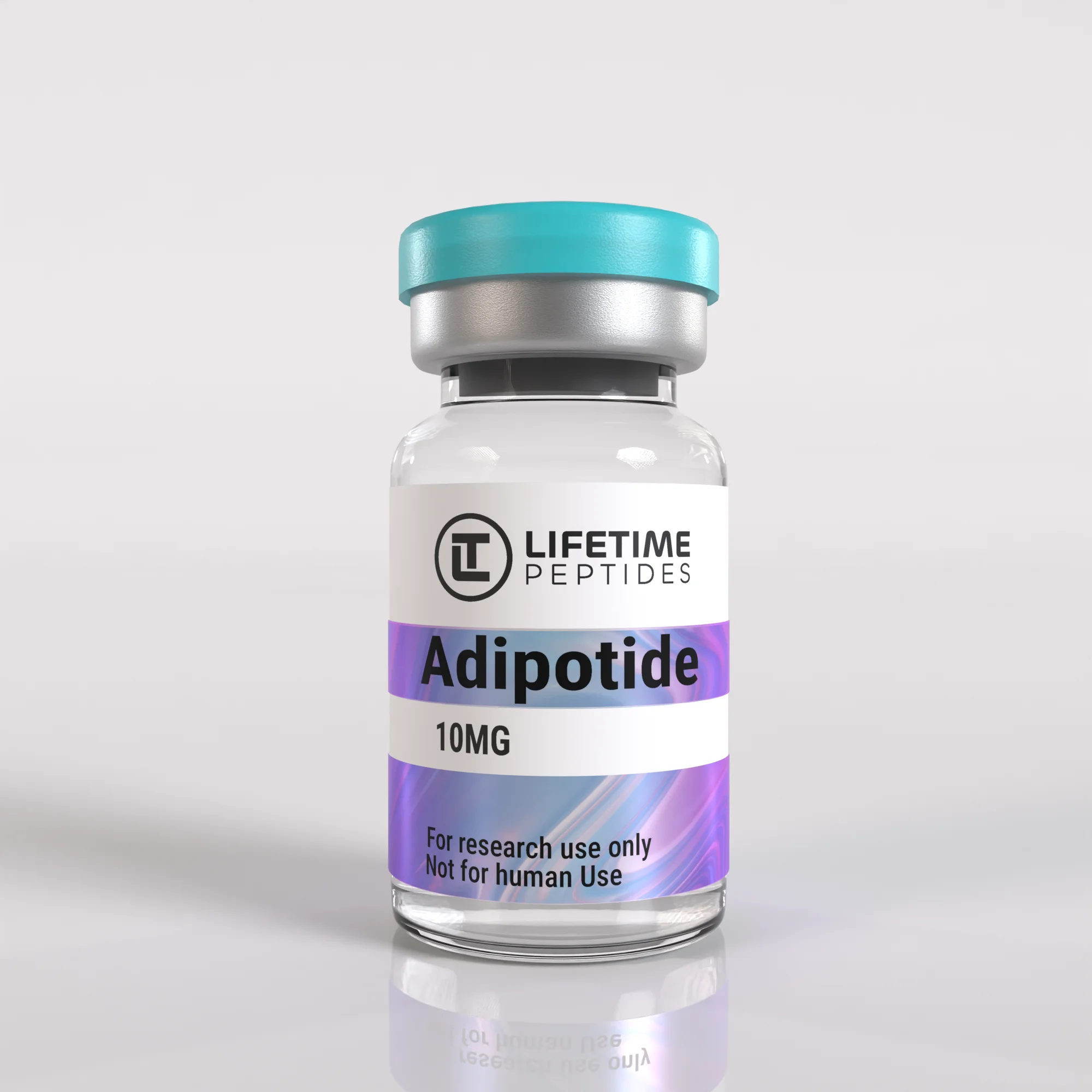
Adipotide, also known as FTPP (Fat-Targeted Proapoptotic Peptide),
is a synthetic peptide designed to induce targeted apoptosis (cell death) in the blood vessels that supply white adipose tissue.
By selectively disrupting fat tissue vasculature, Adipotide has been studied as a potential anti-obesity agent,
reducing fat mass without the need for dietary restriction or increased activity in preclinical models.
1. Adipotide and Obesity
Animal studies show that Adipotide selectively reduces white adipose tissue by cutting off its blood supply.
In primate models, this resulted in significant weight loss and improved insulin sensitivity.
2. Metabolic Health
Research indicates that weight reduction via Adipotide also improved glucose tolerance,
reduced fasting insulin, and alleviated markers of metabolic syndrome in experimental models.
3. Potential Anti-Cancer Applications
Because of its mechanism of targeting vascular supply, there is ongoing interest in exploring Adipotide analogs
for anti-cancer research in tumors that rely heavily on angiogenesis.
Future directions include controlled clinical trials to determine safety,
dosing, and long-term metabolic benefits in humans. Current limitations focus on ensuring selectivity
and minimizing off-target effects on normal vasculature. Further refinements may expand Adipotide’s
potential use in obesity treatment and metabolic disease research.









Reviews
There are no reviews yet.