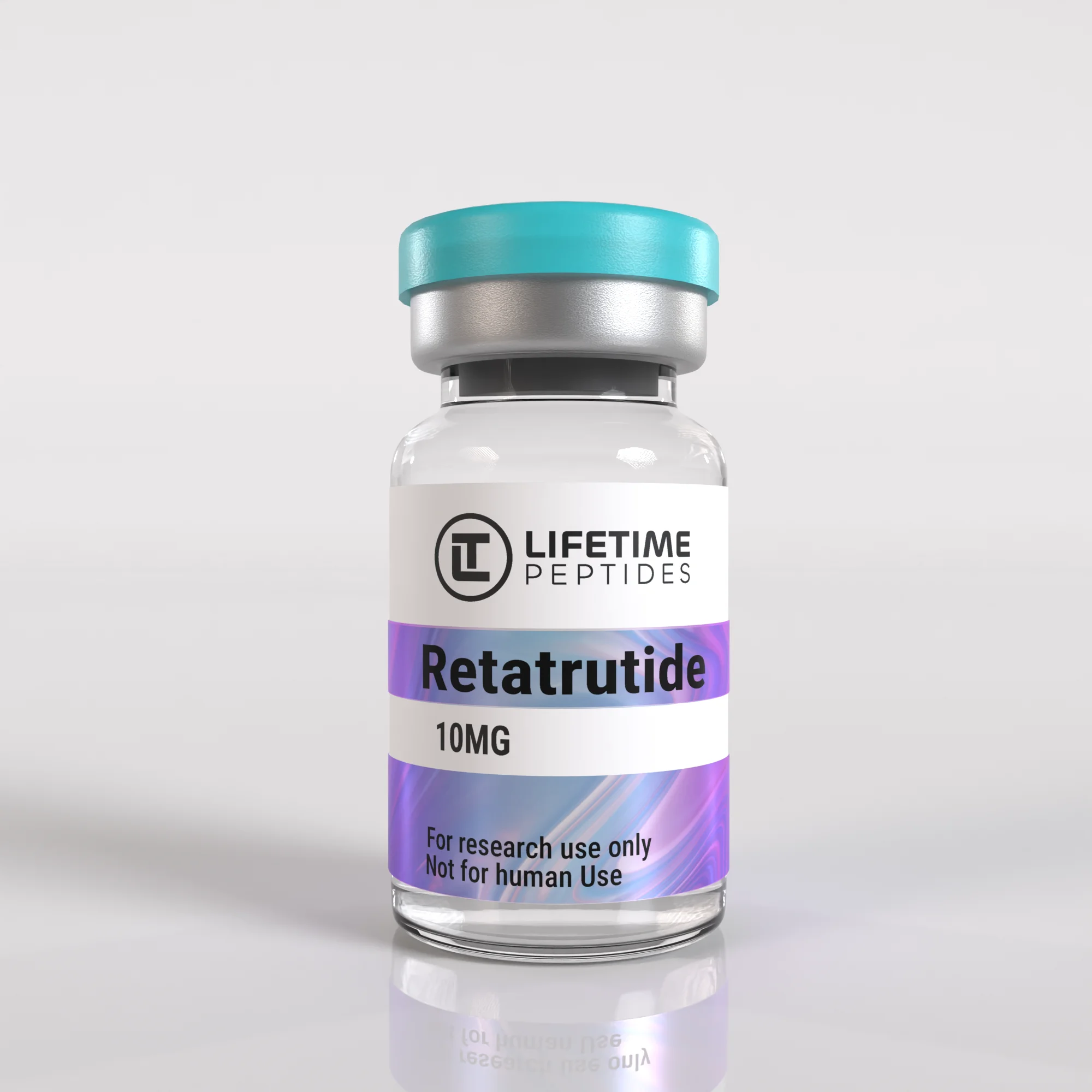
Retatrutide (LY3437943) is an experimental peptide classified as a
triple agonist targeting the GIP (glucose-dependent insulinotropic polypeptide),
GLP-1 (glucagon-like peptide-1), and glucagon receptors.
This unique triple-action mechanism is designed to enhance insulin secretion, suppress appetite, regulate energy expenditure,
and promote significant weight loss while also improving glucose control.
1. Retatrutide and Obesity
Phase 2 clinical studies have demonstrated unprecedented reductions in body weight.
Participants achieved up to 24% weight loss at 48 weeks, surpassing most current anti-obesity therapies.
The triple agonist design appears to combine appetite suppression with increased energy expenditure.
2. Retatrutide and Type 2 Diabetes
Research suggests Retatrutide substantially lowers HbA1c, fasting glucose, and postprandial glucose levels.
Improvements in insulin sensitivity and beta-cell function have also been observed.
3. Cardiometabolic Effects
Preliminary data indicates positive effects on lipid metabolism, blood pressure, and inflammatory biomarkers.
These findings point to potential long-term cardiovascular protection.
Future trials are focused on long-term outcomes for obesity and type 2 diabetes,
as well as potential benefits in fatty liver disease (NAFLD/NASH), cardiovascular risk reduction, and metabolic syndrome management.
Ongoing research may also evaluate Retatrutide in combination therapies for enhanced metabolic control.





Reviews
There are no reviews yet.